Green Neighborhoods Network – Guatemala City

Co-constructed community model that integrates education, social organization, and civic technology to strengthen neighborhood resilience and trust.

Municipality

GT
Guatemala, Guatemala,

Category / Sub-Category / Topic

Environment, Environmental management

Type of investment needed

Subsidy

Associated SDGs

The challenge

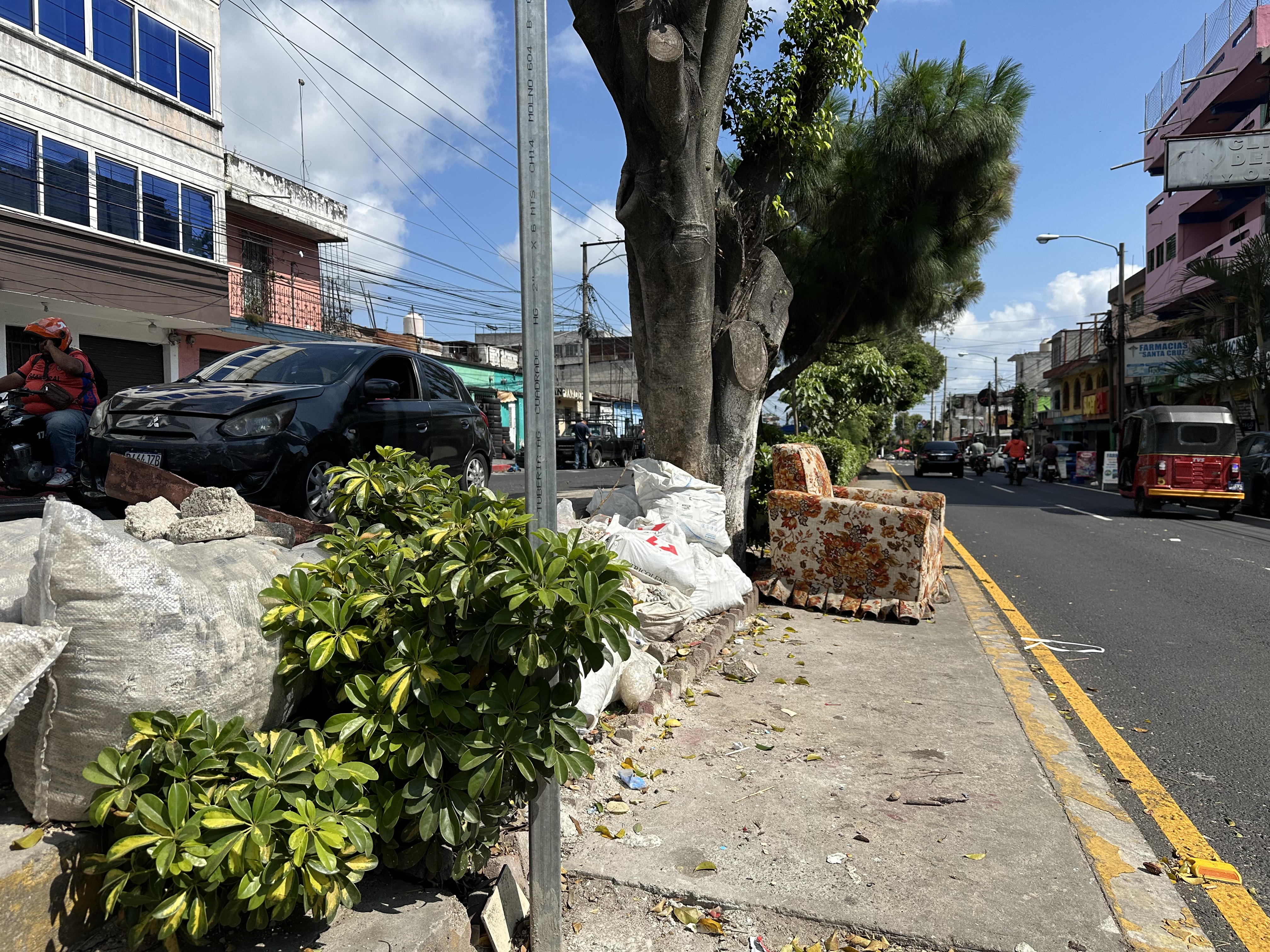
Bethania–Sakerty faces more than a dozen critical waste hotspots, affecting health, the environment, and neighborhood coexistence.

The project

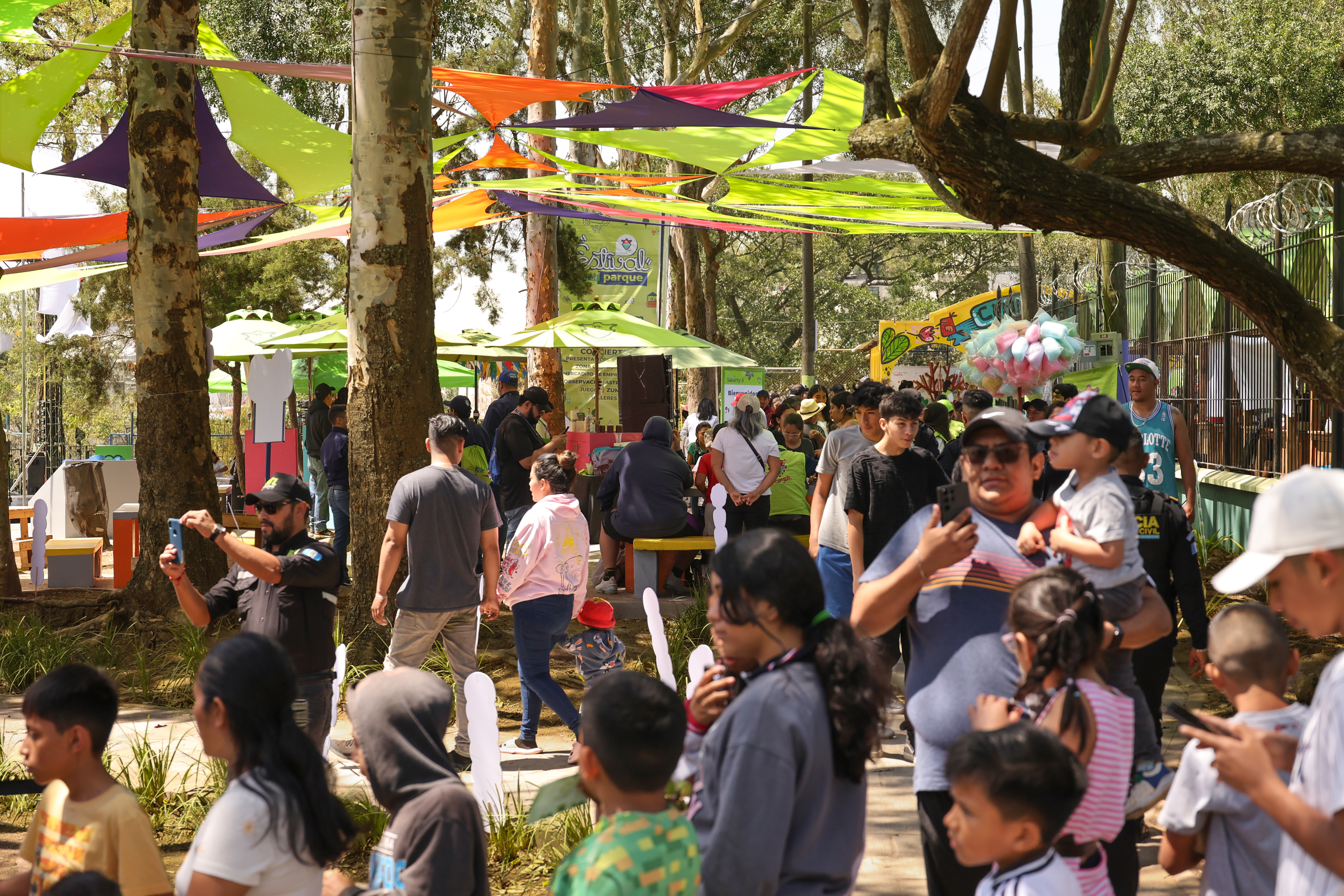
The Green Neighborhoods Network is an urban-community innovation pilot initiative that seeks to transform neighborhoods in Guatemala City, starting in Bethania-Sakerty, through environmental education, social organization, and civic technology. It recognizes that waste management and environmental care are challenges for coexistence, community health, urban dignity, and social fabric.

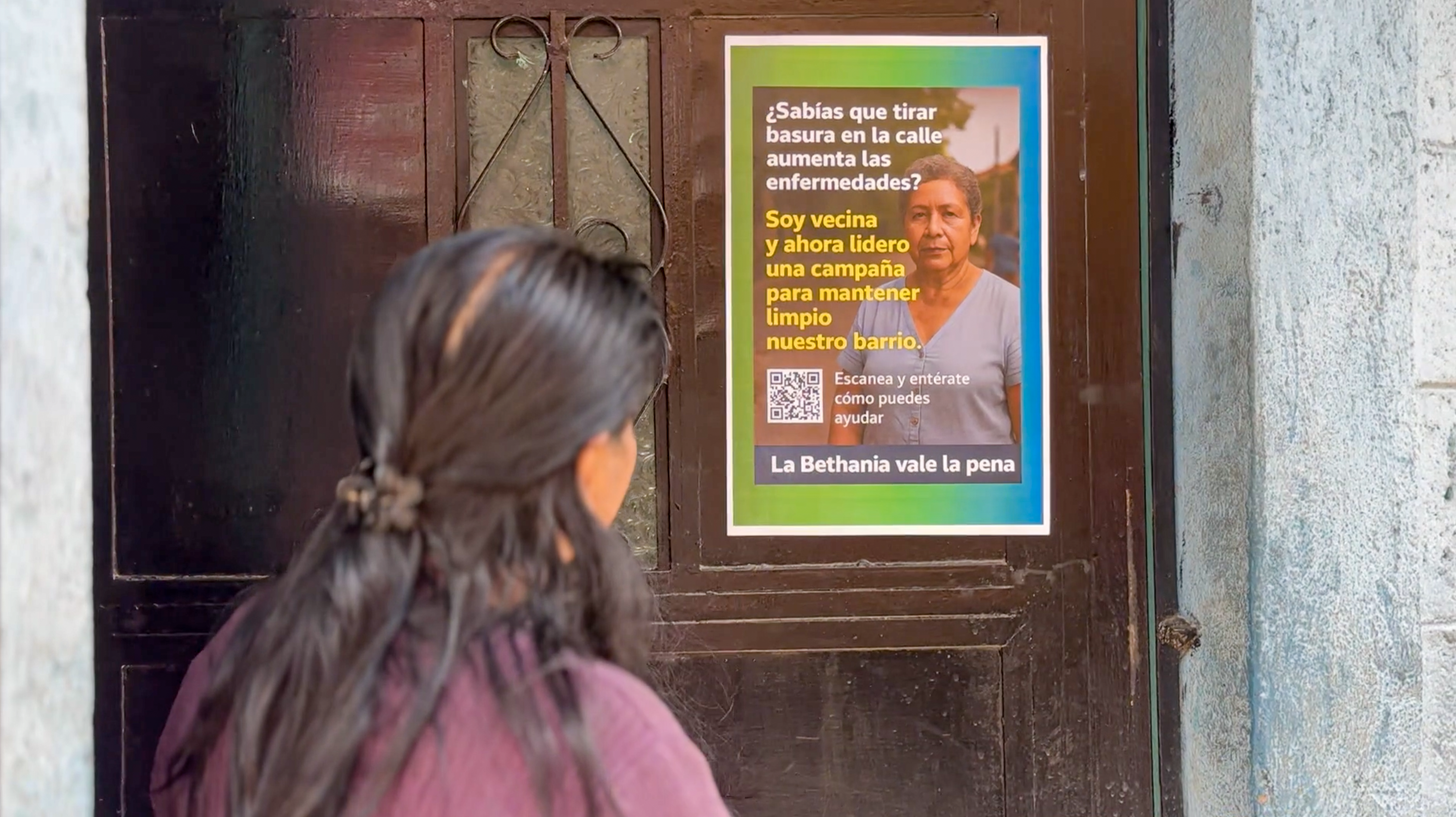
The project proposes a model based on three pillars: 1) Protagonist Community, where neighbors and local leaders organize into micro-networks, promoting sustainable habits, monitoring critical points, and multiplying good practices. Female leadership in environmental care is valued, including youth, businesses, schools, churches, and neighborhood organizations. 2) Education and Civic Culture, through "Living Guides," an educational ecosystem co-designed with the community that combines printed modules, accessible digital content (videos, infographics, WhatsApp messages), and replication templates. 3) Civic Technology and Participation, integrating simple and accessible digital tools such as interactive microsites, community QRs, and a WhatsApp network for communication, motivation, and citizen reporting.

This combination makes the Green Neighborhoods Network a social and pedagogical infrastructure to build sustainable habits, active citizenship, and cleaner, more dignified, and cohesive neighborhoods. Its innovation lies in transforming a traditionally operational problem into a comprehensive strategy for community strengthening, activating neighborhood leadership, changing behaviors, and building lasting local capacities. The approach is people-centered, not just waste-focused, addressing social, cultural, environmental, and emotional dimensions.


Know more...


Guatemala City, a capital with more than 3.5 million inhabitants in its metropolitan area, faces socio-spatial challenges and deficits in urban services across several neighborhoods. In the Bethania–Sakerty neighborhood, waste accumulation deteriorates the neighborhood’s image, increases the perception of insecurity, undermines the sense of belonging, and contributes to social stigma. Currently, Bethania–Sakerty has 13 critical waste hotspots. Garbage accumulates between 3 and 5 times per week at the main critical points.

The root causes of the problem include inadequate household practices, low levels of environmental education, evasion of payment for waste collection, and a structural failure of the private waste collection system, characterized by infrequent service and poor communication. This is compounded by weak neighborhood organization, fragile coordination mechanisms, and limited articulation among the community, institutions, and companies.


Early Implementation Projects: 18 months (according to timeline)

Pillar 1: Community at the Center

“Neighborhood Living Labs” — Participatory Diagnosis with a Gender Perspective

Co-creation with residents to map critical hotspots, understand behaviors, identify natural leaders, and build coexistence agreements. The labs function as spaces for active listening and collective design, fostering a sense of belonging and shared responsibility from the outset. (6 months)


Pillar 2: Education and Civic Culture

“Living Guides: The Manual of a Transforming Neighborhood”

A co-created educational system that combines local stories, videos, digital content accessible via QR codes, and replicable templates. It connects community knowledge with modern environmental education to turn everyday habits into sustainable actions. (10 months)

“Green Leaders School” — Training of Trainers

A capacity-building program for 40 neighborhood leaders (women and men) focused on sustainability, equity, and community organization. The goal: to seed a network of multipliers capable of sustaining change and replicating it in other neighborhoods. (4 months)

Pillar 3: Civic Technology and Participation

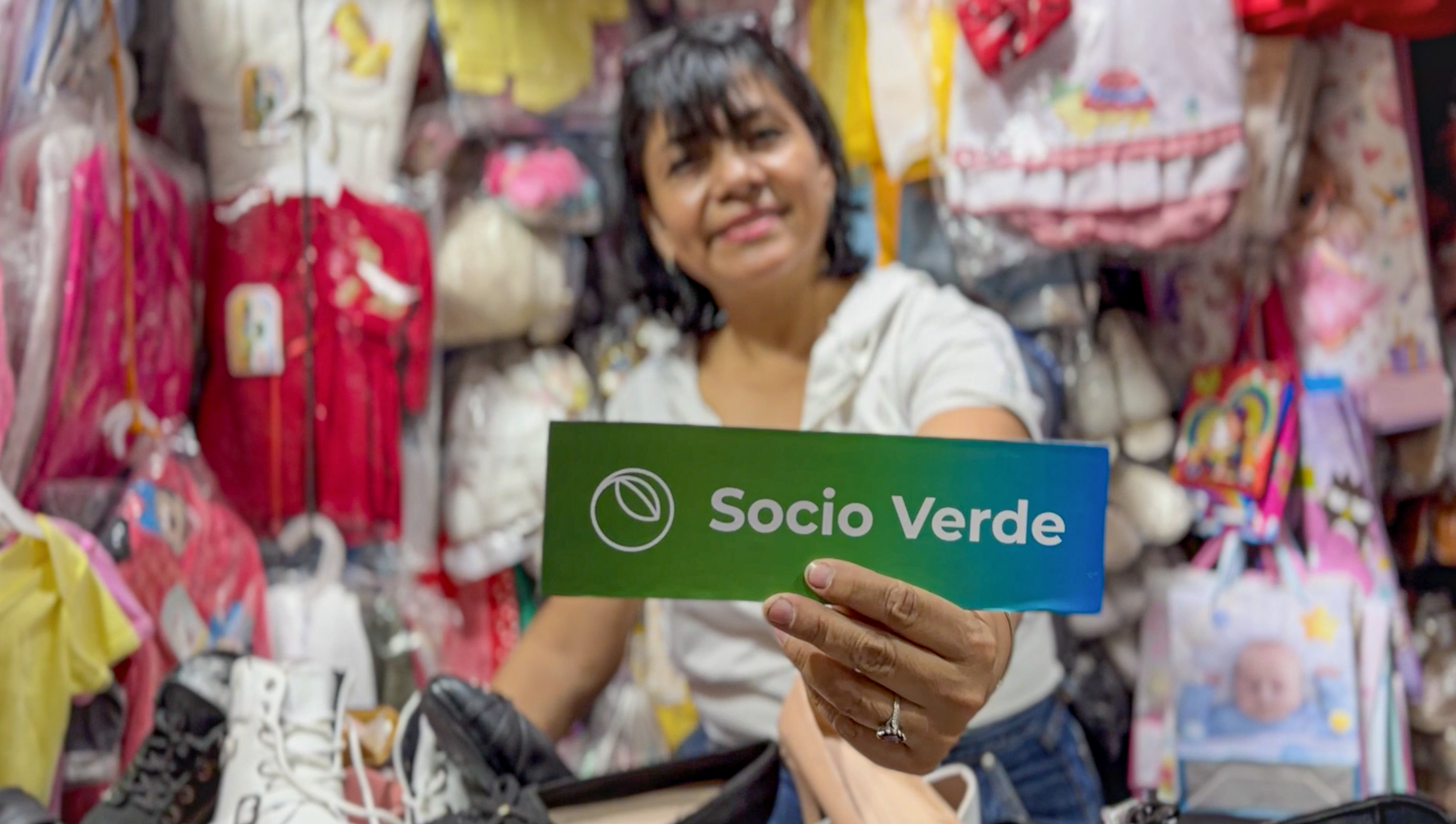
“Green Neighbor Seal” — Social Recognition and a Culture of Care

A symbolic certification system that recognizes households, businesses, and social actors who adopt good practices. It becomes a tool for neighborhood pride and collective motivation. (12 months)

“Green Radar” — QR-Based Community Reporting and Alert Platform

A simple yet powerful participation system: QR codes to report issues, transparency dashboards, and community analytics. It democratizes information and strengthens trust between residents and the Municipality. (18 months)

Management and Replicability

“Green Allies Network” — Companies Transforming Neighborhoods Program

Partnerships with companies to finance neighborhood actions, promote corporate volunteering, and scale sustainable practices within and beyond the territory. (18 months)

Replication Kit: “The Model to Multiply Green Neighborhoods”

Includes methodologies, educational materials, governance protocols, digital tools, and a step-by-step guide to scale the model to other neighborhoods through Vecindario Próspero. (4 months)


Direct Results:

Community at the Center: Diagnosis and mapping of critical hotspots, co-created materials, and strong local ownership.

Education and Civic Culture: Graphic and audiovisual toolkit, narrative shift, Guide plus QR-enabled microsite, active learning processes, 40 active trainers, and a sustainable neighborhood network.

Civic Technology and Participation: Recognition mechanisms, strengthened social commitment, an active platform, and transparent management.

Management and Replicability: 10 partnerships, enhanced sustainability and visibility, a report and methodological guide, and model scaling.

Expected Impact:

To foster a neighborhood culture of environmental and social co-responsibility, strengthening resilience to failures in the formal waste collection system and reducing critical waste hotspots.

To promote women’s leadership and gender equity in environmental stewardship, and to build a network of cleaner, more organized, and more resilient neighborhoods across Guatemala City.

Identified Critical Waste Hotspots:

13 critical hotspots georeferenced through community mapping and technical field visits.

Frequency of Waste Accumulation:

Between 3 and 5 times per week at the main critical hotspots.

Households with Active Formal Waste Collection Payment:

Approximately % of households in the area (according to previous waste collection censuses).

This implies a gap of % of households without a formal connection to the waste collection system.

Previous Educational Interventions:

1 school-based urban imagination workshop with children.

5 educational institutions trained in environmental education and awareness.

50% of surveyed residents report being Little Satisfied or Not Satisfied with the cleanliness of community public spaces.

42% of surveyed residents report being Little Satisfied or Not Satisfied with the quality of open spaces, recreational areas, and green areas.


Organized residents of the Bethania–Sakerty neighborhood: Protagonists and “Green Partners” of the process.

Women of the Bethania–Sakerty neighborhood: Leaders in environmental care and neighborhood improvement.

Schools and educational centers: Hubs for learning and replication.

Local businesses and markets: Spaces for adopting good practices and increasing message visibility.

Private companies (“Green Allies”): Support through funding, outreach, and corporate social responsibility.

Youth and artistic collectives: Contribute creativity, cultural expression, and visual communication.

Guatemalan Center for Cleaner Production (GCP+L): A key partner in promoting sustainable practices.


Ana García: Head of Urban Planning – MuniGuate (anagarcia.muniguate@gmail.com)

Griselda Cruz: Head of Environmental Management Directorate – MuniGuate (mgcruz@muniguate.com)

Herbert Valle: Urban Planning Coordinator – MuniGuate (hfvalle.muniguate@gmail.com)

Evelyn Muñoz: Social Manager – MuniGuate (emunoz.muniguate@gmail.com)

Laura Herrera: Technical Coordination Environmental Management Directorate – MuniGuate (lpherrerajuarez@gmail.com)

Werner Solórzano: General Coordinator Urban Communication – MuniGuate (wsolorzano.muniguate@gmail.com)

Mónica Santos: Communication Projects Coordinator – MuniGuate (msantos.muniguate@gmail.com)

Luis Muñoz: Executive Director – Guatemalan Center for Cleaner Production (lmunoz@cgpl.org.gt)

Investment

(*): In kind/pro bonus

(**): Financing

Goods and inputs
Funds
Needed
Covered
Solicited

Impresión modular Guías Vivas (base + módulos intercambiables, 600 unidades) (**)

u$s 3600000.00

u$s 0.00

u$s 3600000.00

Kits para talleres (materiales, dinámicas, impresiones, comida, alquiler equipo – 6 talleres) (**)

u$s 10800.00

u$s 2000.00

u$s 8800.00

Merch comunitario incentivos (gorras, tote bags, libretas, pachones, stickers – 1 lote) (**)

u$s 5000.00

u$s 0.00

u$s 5000.00

Señalética, mupis y rótulos barriales, insignias (1 lote) (**)

u$s 4500.00

u$s 0.00

u$s 4500.00

Services
Funds
Needed
Covered
Solicited

Producción audiovisual comunitaria (videos vecinos, cápsulas WhatsApp) + pautas digitales (1 paquete) (**)

u$s 5000.00

u$s 0.00

u$s 5000.00

Desarrollo plataforma modular (micrositio + QR + WhatsApp) + hosting + dominio + mantenimiento (1 proyecto) (**)

u$s 10000.00

u$s 0.00

u$s 10000.00

Community content manager (soporte digital y redes – 12 meses) (**)

u$s 12000.00

u$s 0.00

u$s 12000.00

Banners / materiales visuales / piezas adicionales (1 lote) (**)

u$s 2500.00

u$s 0.00

u$s 2500.00

Others
Funds
Needed
Covered
Solicited

Eventos comunitarios territoriales (4 eventos) (**)

u$s 46000.00

u$s 36000.00

u$s 10000.00
TOTAL AMOUNTS:

u$s 3695800.00

u$s 38000.00

u$s 3657800.00

Spread the word about this project